Learn to read the “quiet language” of your body, and turn subtle signals into clear data.
Do you know this feeling? You have not done anything physically demanding, yet after a workday you feel more exhausted than after a marathon.
That is not your imagination. It is a real signal when the brain and nervous system are running at full speed. In the past, this feeling was diffuse and subjective. Today, EVOFIEL makes it more tangible through data in three core dimensions within the app.
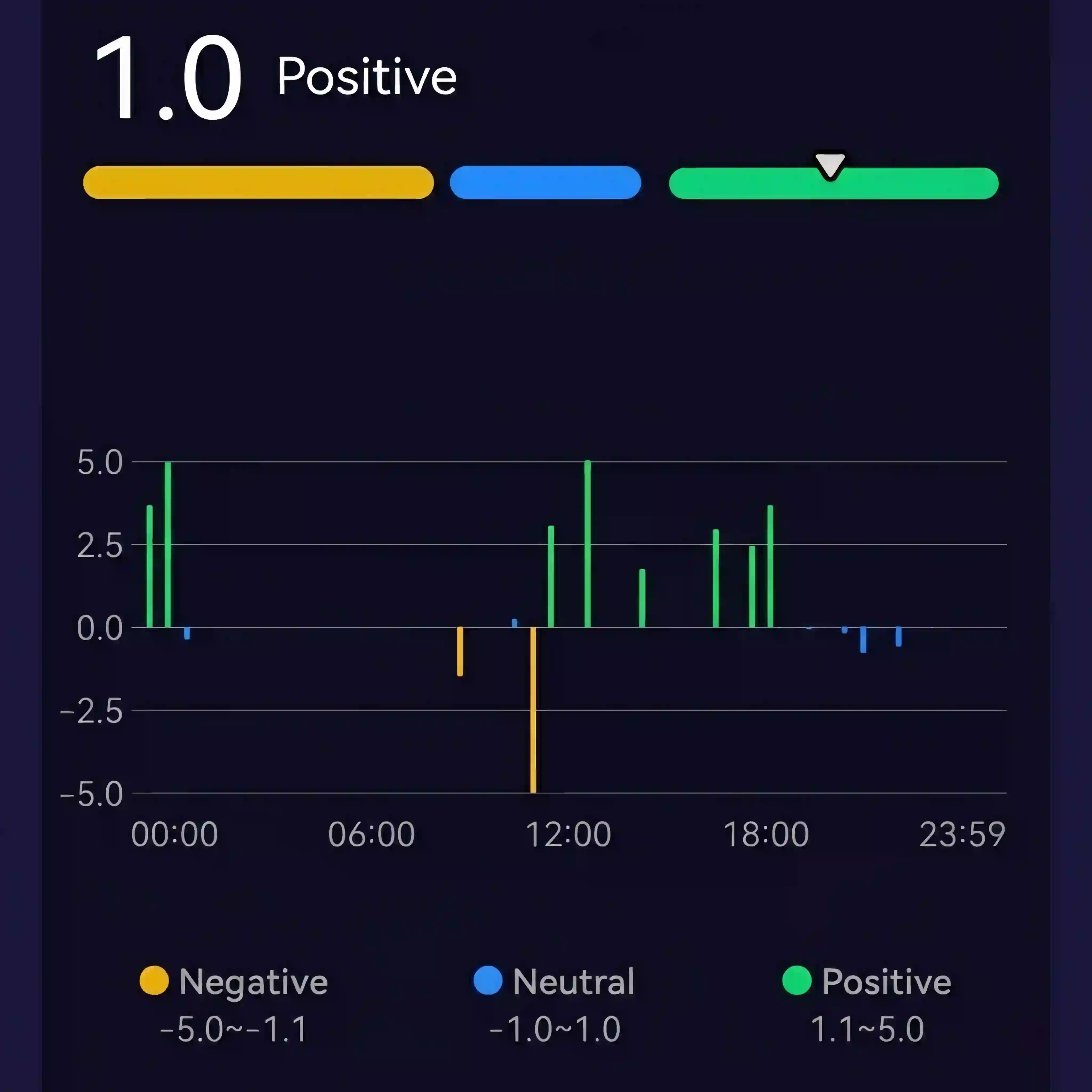
Example view of emotions in the EVOFIEL app
Emotions are not only a psychological state, they are also a rhythm within the nervous system. EVOFIEL interprets subtle changes in heart rate variability (HRV) and maps your fluctuations throughout the day into three modes:
Because physiology is often more honest than feeling. In HRV terms, “Positive” does not mean “happy”. It points to physiological balance and stability.
Sometimes, when we become reflective, nostalgic, or even quietly sad, we may feel mentally subdued without the body showing a strong stress response. Instead, the heart rhythm can remain very steady. That can be a sign of good emotional resilience. Even when it is raining inside, your body may still be able to carry you.
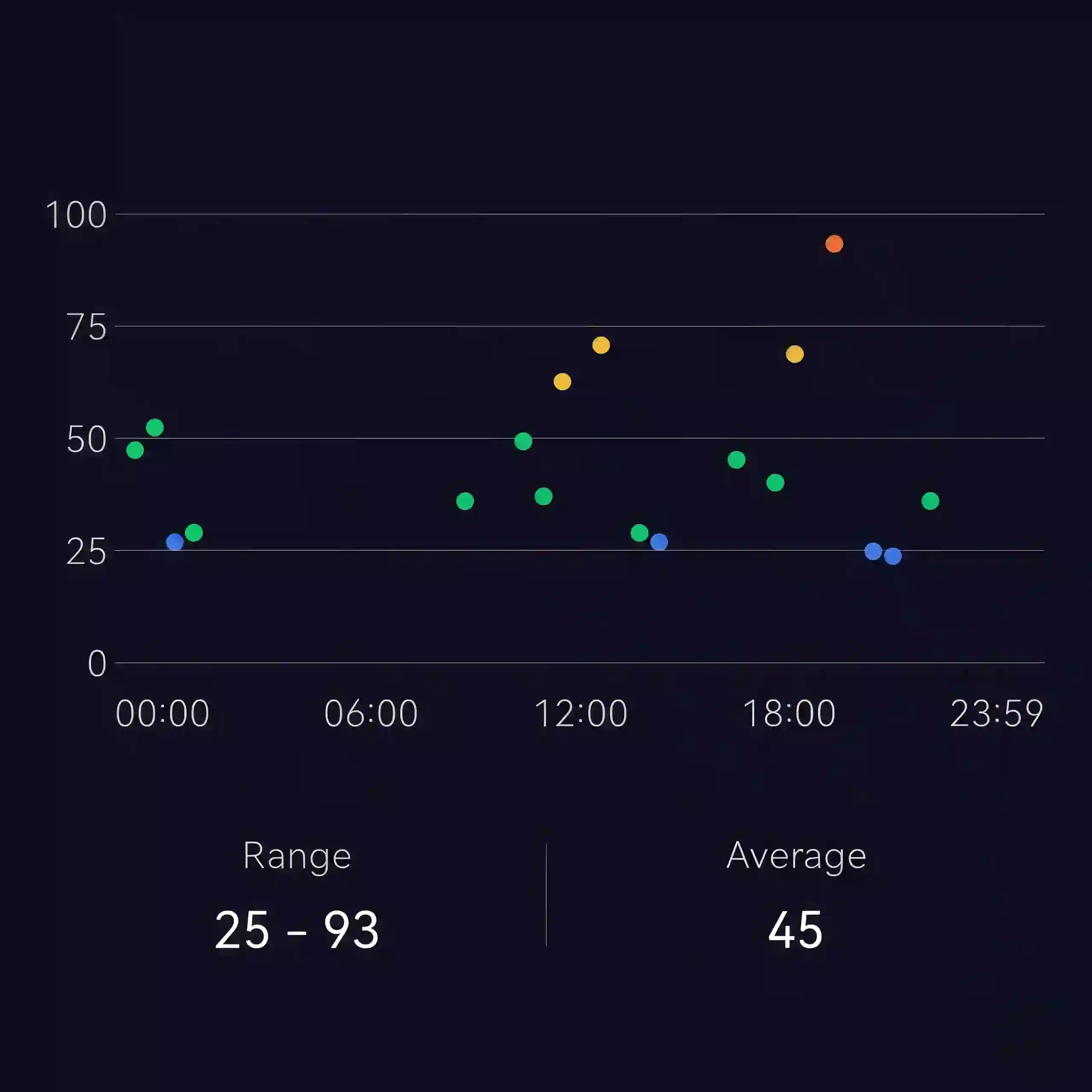
Example of a stress chart in the EVOFIEL app
Stress is a form of physiological tension. In EVOFIEL’s stress chart, each point reflects your current level of nervous system strain. From Relaxed at the bottom to High at the top, the goal is not to eliminate every high-stress point. What matters is how the pattern is distributed.
A good chart is dynamic. If the points remain densely clustered in the High range throughout the day, it may be an early sign of overload, even if you still feel subjectively fine.
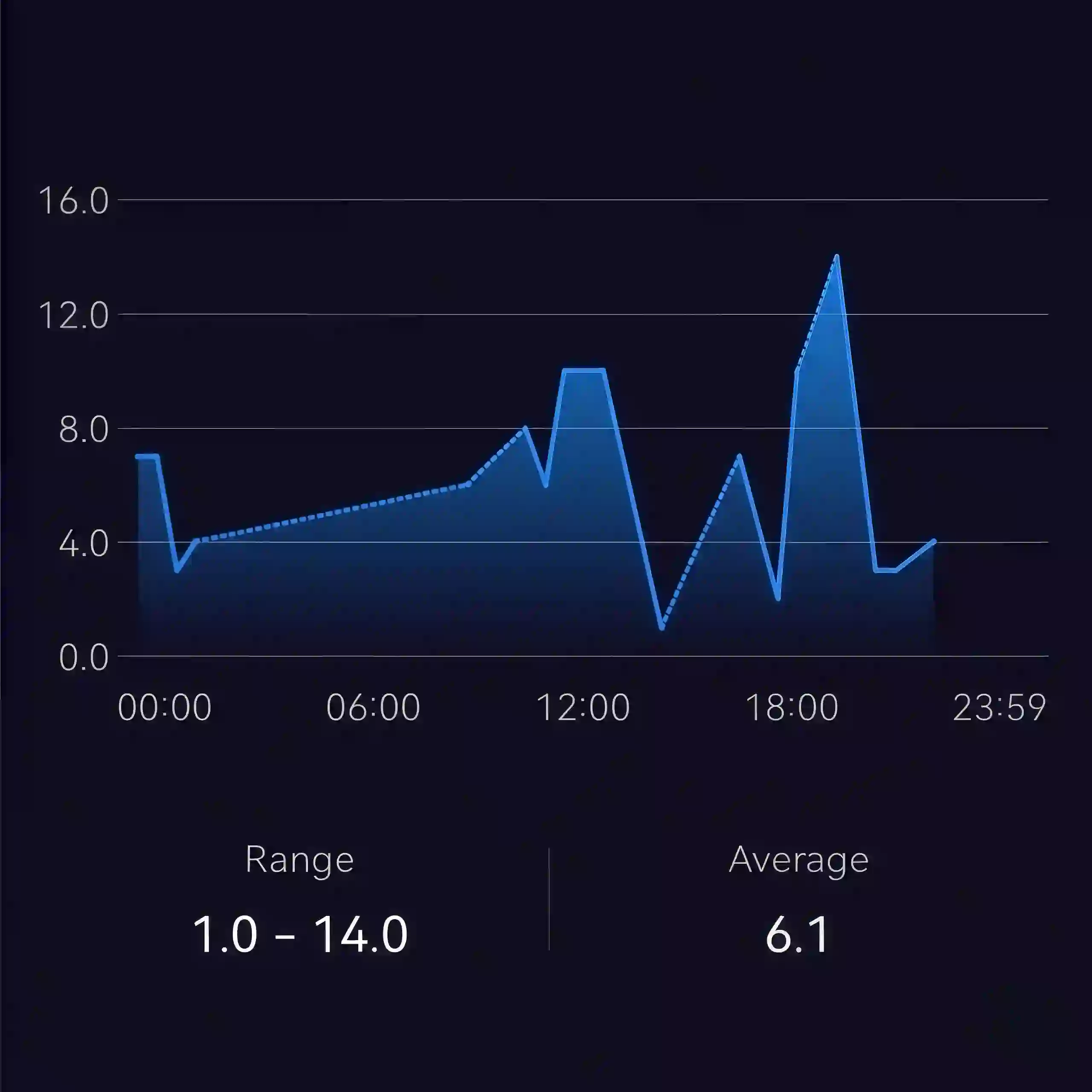
Example of a fatigue curve in the EVOFIEL app
If emotions are the weather, fatigue is your remaining fuel. This curve shows the transition from Light to Engaged and then to Tired.
Smarter decisions: Many people only try to push through once they reach Tired. EVOFIEL’s data philosophy is to follow the rhythm. When the curve moves into Tired, rest is often the better strategy than continuing to push on.
loading